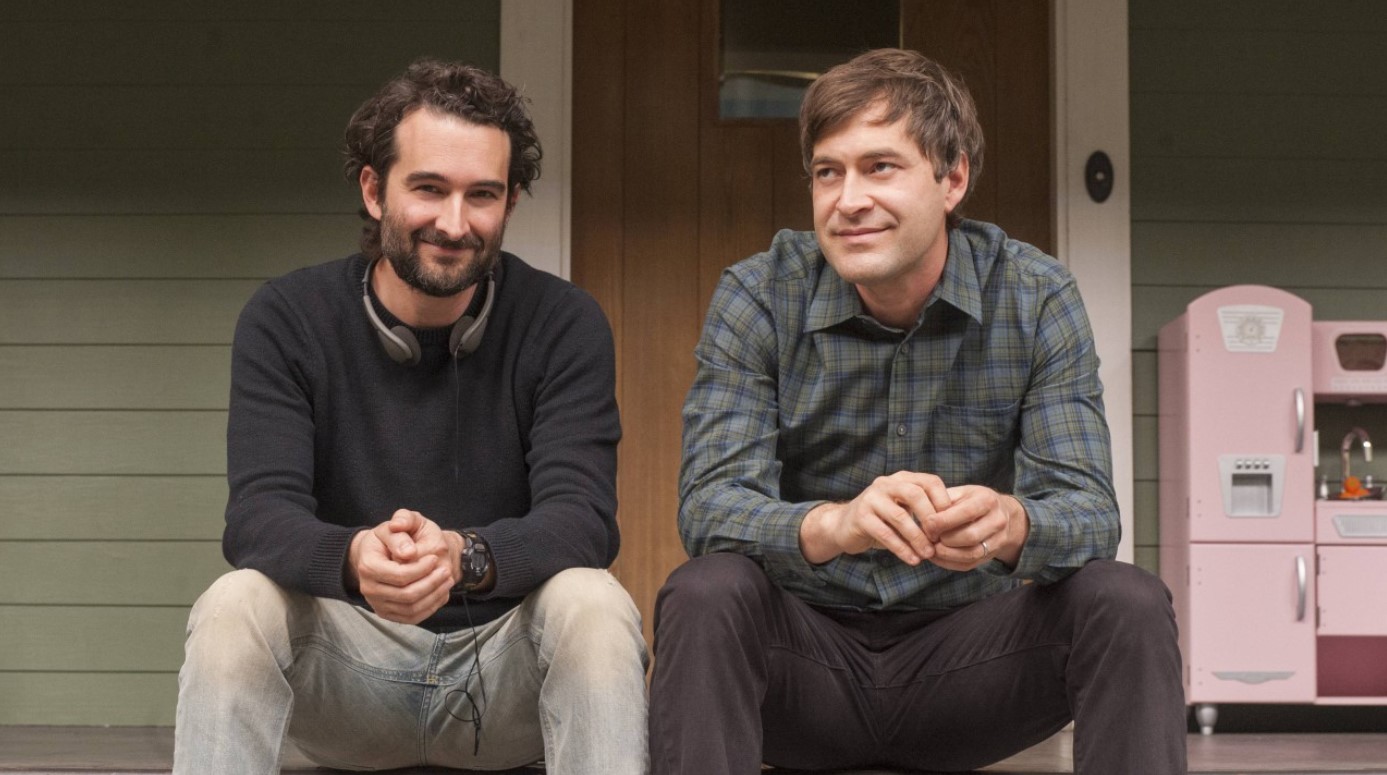
It was not much of a media event, a few years ago, when the talented filmmaking duo, the Duplass Brothers, turned down a hundred million dollar contract with Marvel and opted instead to go into the branded content business. But it really should have been.
Their decision defied all conventional wisdom about filmmaking, access, financing and the ladder of opportunity. That Marvel contract would’ve allowed them limitless resources and (presumably some) creative discretion. It would’ve gotten them a wider release than anything they were used to and secured their reputations as industry kingpins. And instead they teamed up with some advertising veterans to produce short-form entertainment for brands.
The question that was never asked when the story dropped was, What do these guys know that we don’t?
Once you start to see it, you can’t help see it everywhere. People who, a decade ago, would’ve risen in their artistic field one gatekeeper at a time are opting instead to go it alone, find smaller financing, appeal to more niche audiences and more relevant fanbases. They produce more, promote more and appeal to authority less.
In most creative enclaves, this is no longer a novel insight. We know our old models are recognizably broken when OTT content trumps traditional networks’, when unknown podcasters stand on equal footing with time-honored celebrities, and when a table-read of a classic 80s movie featuring the biggest Hollywood stars on the planet garners as many views as a Dave Portnoy rant.
Someone who wants to be a filmmaker today stands a better chance of setting up a Vimeo page, creating dozens of short films with friends and building a modest following than he or she does renting a $4,000/month apartment in San Fernando Valley and begging from the industry periphery for an insider to give them a shot.
That’s one side of the market, and enough people understand that. But where do the brands come in?
No alt text provided for this image
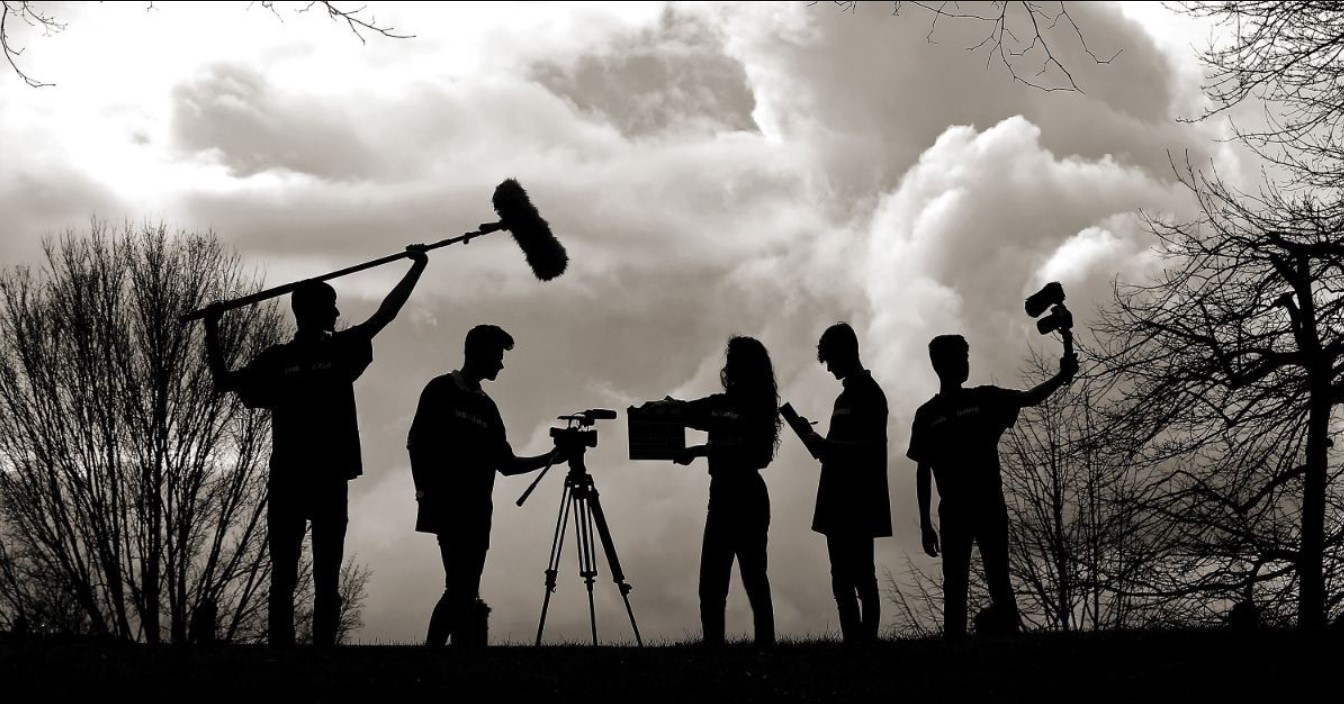
Strangely and fortunately, the empowerment of creators has coincided with the death of the commercial. There is a new mandate among the branding community to entertain audiences in a way that would’ve been overkill a decade ago. Dove and Red Bull and Yeti and Lexus and other household names are decidedly going the way of Apple, Netflix and Amazon: becoming producers and not sponsors, making films, not ads. Needing to create content of true artistic merit, they are rightly looking to actual artists to get the job done.
To me, this is the new two-sided market that has all the power in the world to save future generations of artists from the binary fate they have faced up to now: stardom or failure. I believe the next ten years will see a profusion of small shops like ours, niche collectives of creative people that are bad at a lot of things but very good at connecting on a human level with the person inside the consumer.
In the Fast Company profile of the Duplass agency, Mark Duplass puts it this way:
“Jay and I have been typically afraid of anything that felt like ad or branded content for a long time,” says Mark, who’s dressed in a dark blue T-shirt, jeans, and scuffed-up leather boots. “And then we met these guys”–he nods at Leahy and Lopez-McBean–“and they were working on this really cool branded content campaign with Ricky Gervais, that anti-ad thing. And we were like, this is the only thing we’ve ever seen that made us feel like we could be ourselves inside of this and got us open-minded to it. So we were like, alright, this could be really cool.”
I predict more and more creative people will discover the same freedom and opportunity in connecting with brands directly to create something.
The modern brand platform is a stage. Businesses have to do something with it or else it sits there, empty and quiet and faceless.
If that doesn’t make sense, try it this way: Brands have money and need attention. Artists can deliver attention and need money.
If you spend some time thinking through the implications of this two-sided marketplace, it casts the future in a pretty flattering light. Yes, creatives will have to learn to fend for themselves a bit more, not having managers or agents to handle deals, but they’ll reap more of the fruits of their labor in the longterm. Brands will have to go into the content business to stay relevant and spend less time selling, but they’ll send out more meaning and less noise into the ether.
No alt text provided for this image
James Altucher predicted that in the future everyone will be either a temp worker or an entrepreneur. That makes more sense to me than ever. And the world that that kind of work culture will create seems to promise a lot of new voices, new ideas, stability and originality. Just ask Duplass:
Working with studios and cable networks often means “you have 150 people in the room and it costs $20 million, and you can’t move,” Mark goes on. “You’re too boxed in because everybody’s scared. But when you’re a little bit nimble and you have a smaller crew and you’re truly collaborating, then you can be on your feet to move around and find magic.”
Here’s hoping this new market lets everyone find as much magic as they can bear.
